

A journey of collective change
Our Impact
Every number on this page comes from Kadamba Foundation’s own programme records — follow the links to see the full data behind each one.
By the numbers
A Journey of Collective Change
Patients supported through health referrals
Self Help Groups formed
Farmers brought into cocoa cultivation
Homes built for BPL women
Children nurtured in 25 crèche centres
Cocoa saplings distributed
Farmers growing agar wood
Villages lit by E-Belaku solar lighting
Health referrals
8,599 patients referred to KSHEMA, 2002–2019
The referral bridge to K.S. Hegde Medical Academy grew from 7 patients in its first year to over a thousand in 2017–18. Across the programme, more than 50,000 patients have benefited.
See the full table- 2002–03: 7 beneficiaries
- 2003–04: 46 beneficiaries
- 2004–05: 102 beneficiaries
- 2005–06: 173 beneficiaries
- 2006–07: 346 beneficiaries
- 2007–08: 541 beneficiaries
- 2008–09: 619 beneficiaries
- 2009–10: 772 beneficiaries
- 2010–11: 521 beneficiaries
- 2011–12: 435 beneficiaries
- 2012–13: 489 beneficiaries
- 2013–14: 552 beneficiaries
- 2014–15: 635 beneficiaries
- 2015–16: 667 beneficiaries
- 2016–17: 725 beneficiaries
- 2017–18: 1151 beneficiaries
- 2018–19: 818 beneficiaries
Area-wise
Rural housing beneficiaries by taluk
- Sirsi539
- Siddapur319
- Kumta268
- Bhatkal220
- Ankola161
- Honnavar148
- Yellapur137
- Mundgod95
Agriculture
Farmers joining cocoa intercropping, by year
- 2009–102,050
- 2010–11650
- 2011–12833
- 2012–13686
- 2013–14734
- 2014–15785
- 2016–1791
Total: farmers · 2,905 ha · 11,52,200 plants
Cocoa CultivationGeographic reach
Rooted in Uttara Kannada. Working across India.
-
Uttara Kannada, Karnataka
The heartland of Kadamba’s field work since 1999 — Sirsi, Siddapur, Kumta, Karwar, Dandeli, Honnavar, Bhatkal, Ankola, Yellapur, Mundgod, Joida and Haliyal.
-
Across Karnataka & Goa
Lac cultivation outreach in Belagavi, Shivamogga, Chikkamagaluru and Hunsur (Mysuru); solar lighting in Bengaluru; recognition for promoting lac in Karnataka and Goa.
-
Sikkim & the North-East
Focused engagement addressing regional and national development priorities.
-
Across India
A national organisation working on public health research, livelihoods, education, environment and policy advisory.
Lac growers by taluk
- Sirsi 164
- Siddapur 109
- Mundgod 86
- Yellapur 25
- Honnavar 12
- Joida 12
- Kumta 10
- Ankola 9
- Haliyal 6
- Bhatkal 5
Community stories
Change, told through the work
2001–02 onwardsRural Housing (Synd Kuteer)India’s first NGO-implemented mass housing programme: 1,804 homes, 100% BPL women beneficiaries, 100% recovery. StoryKadamba Shishu Vihar — Creche Centres25 crèches in far-flung Western Ghats villages where 6,500 children — many from tribal communities — have learned.
 Since 2013Lac (Gumlac) CultivationKadamba pioneered the revival of lac farming in Karnataka — an inclusive, low-investment livelihood that earned a LAC Promotion Institutional Award.
Program milestones
25+ years, milestone by milestone
-
1999
Kadamba Foundation is registered
Registered as a Public Trust under the Indian Trusts Act, 1882 on 25 November 1999, and begins working for the socio-economic development of rural women.
Learn more -
2000
12(A) & 80(G) recognition; health camps begin
Income-tax registrations follow in August 2000. The first of hundreds of health camps across Uttara Kannada are held.
Learn more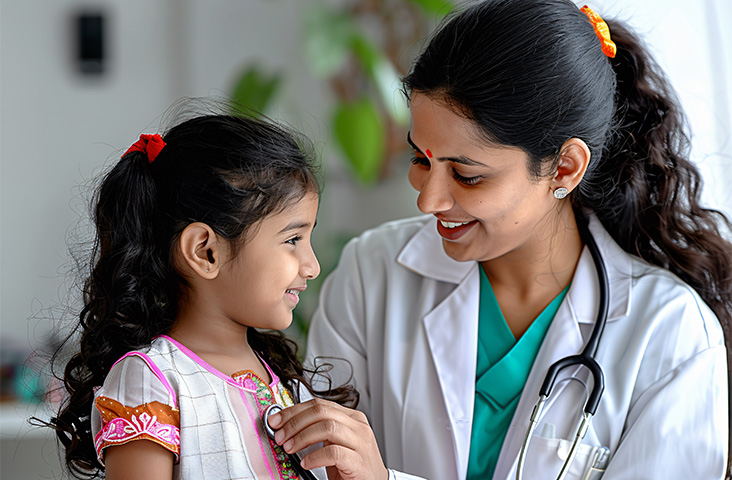
-
2001–02
India’s first NGO-led mass housing programme
With RGRHCL and Syndicate Bank, Kadamba builds 1,804 homes for BPL women across 65 Gram Panchayats — with 100% loan recovery.
Learn more -
2002–03
Micro finance and the health referral bridge
Kadamba enters micro finance through Self Help Groups, and the first patients are referred to KSHEMA, Mangaluru.
Learn more
-
2003
FCRA registration
Registered under the Foreign Contribution (Regulation) Act on 17 April 2003.
Learn more -
2005
Santwana Kendra opens in Kumta
A family counselling centre and women’s helpline, with the Women & Child Development Department of Karnataka.
Learn more
-
2009
E-Belaku, agar wood, cocoa and flood relief
Solar lighting launches in February; agar wood is introduced; cocoa intercropping scales to 3.5 lakh plants; and Kadamba reaches 5,000+ people after the monsoon disaster.
Learn more
-
2010
Sandalwood movement; micro credit handed on
The sandalwood cultivation movement begins. True to its not-for-profit principles, Kadamba reassigns its micro-credit network to The Shalmala Finance Limited.
Learn more
-
2011
E-Grama is designed
A rural electronic corridor for everyday services — a concept later reflected nationally in Digital India.
Learn more -
2013
Lac revival, Betta land conservation, farm-tech
First lac cultivation seminar (June), the Betta Balakedaarara Sangha is formed, and the Farm Machinery Exhibition showcases 118+ technologies (December).
Learn more
-
Today
A national, impact-driven organisation
Kadamba works across India with focused engagement in Sikkim and the North-Eastern states — spanning public health research, livelihoods, education, environment and policy advisory, and introducing climate-resilient crops like teff.
Learn more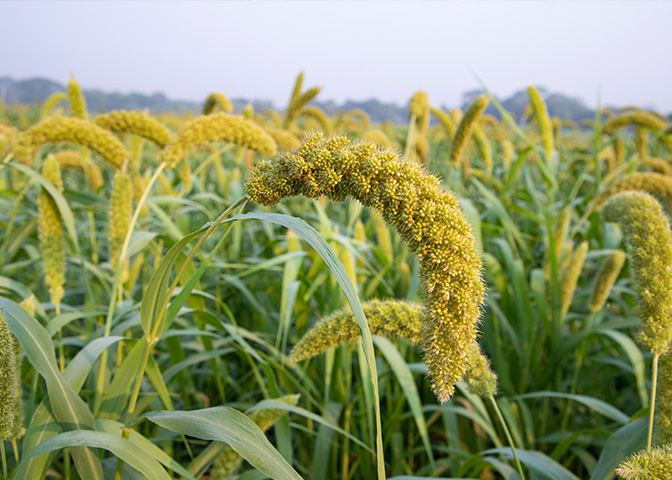
Partner with us
Together, we can create lasting change.
Support our work and be a part of stronger, healthier and more resilient communities.